
From Farm to Fair
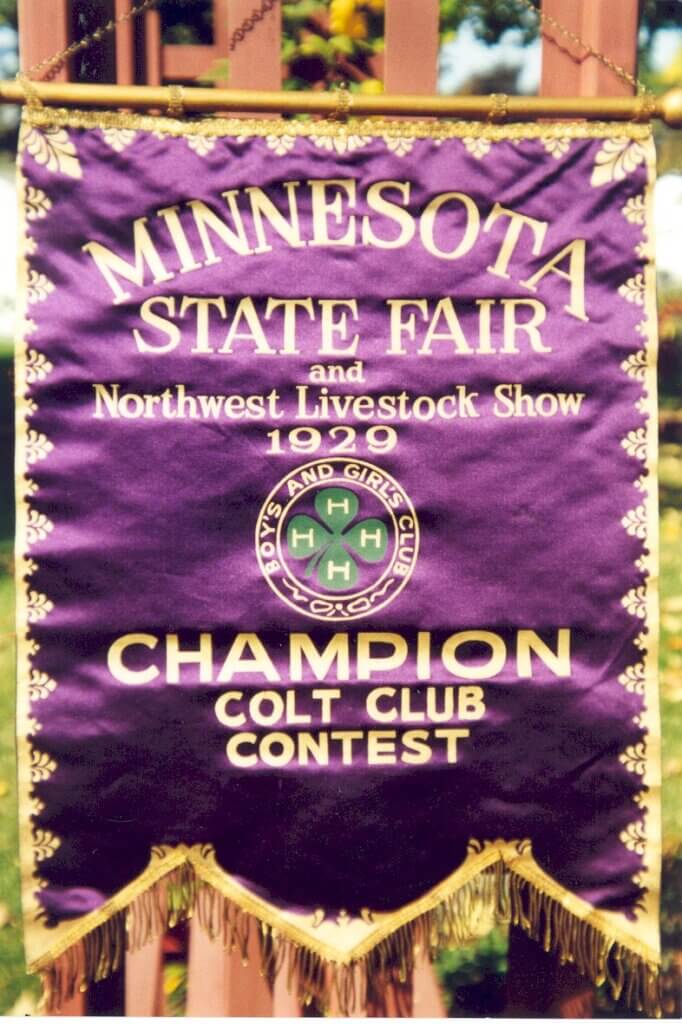
 A Champion Colt Club Contest Banner from the Minnesota State Fair in 1929. 2005.027.019
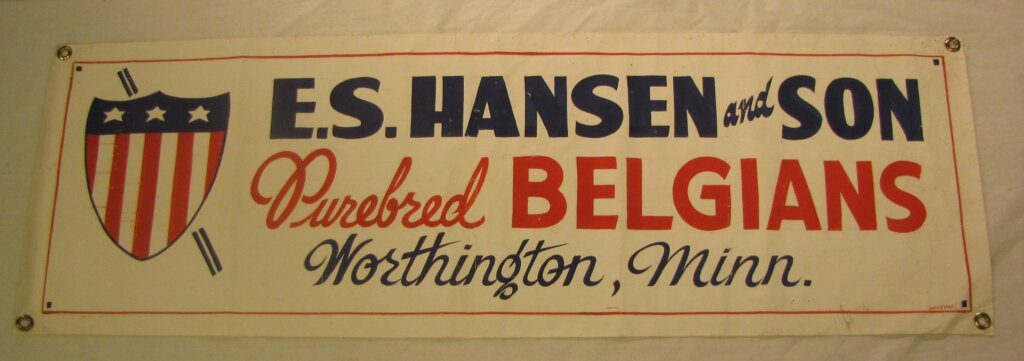
 A stable banner used to denote the stalls of Ejnar S. Hansen’s horses when his children exhibited them at local, county, and state fairs in Minnesota. 2003.082.017
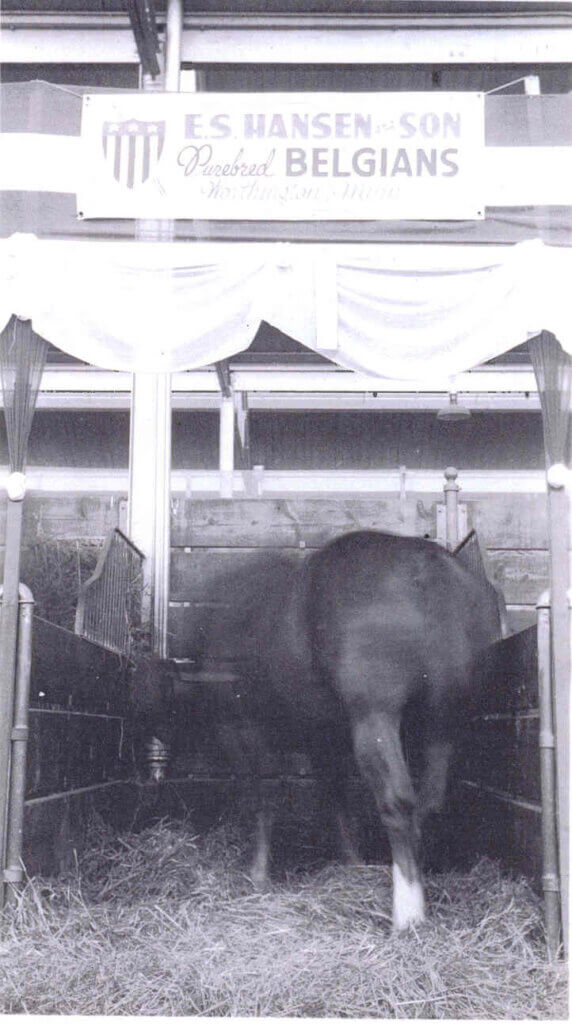
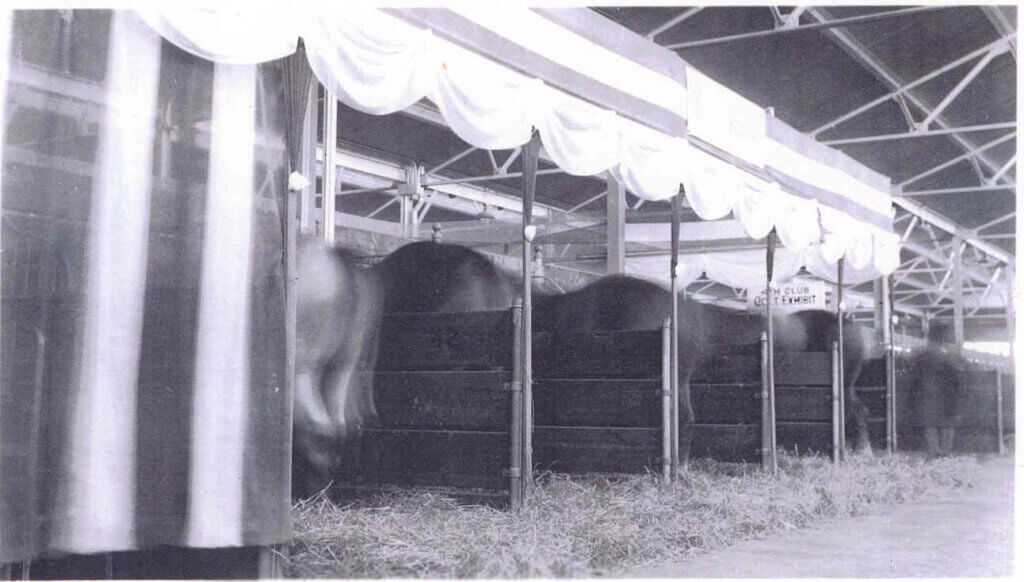
 A photograph of the Hansen banner above their stalls at the Minnesota State Fair. 2002.124.036.
 Horses exhibited at the fair by the Hansen family. 2002.124.037.
Today, August 21, marks the opening of the Minnesota State Fair—a beloved tradition that draws visitors from across the state and beyond. Each year, more than 2.3 million people attend state fairs nationwide to sample deep-fried treats, enjoy concerts, and experience the thrill of carnival rides. Yet beyond the food, fun, and flashing lights, state fairs hold a deeper purpose.
The History of 4-H
In 1902, the 4-H organization was established in response to the need for modernizing agricultural practices and the understanding that young people develop skills and embrace innovation through hands-on education. Today, it is the nation’s largest youth development organization, helping children and their families build skills that strengthen communities and inspire new ideas for the future economy.
For 4-H members, fairs are far more than a celebration—they are the culmination of a year’s worth of effort, growth, and dedication. Whether raising livestock, creating art, or mastering practical skills, young participants showcase their projects through exhibits, contests, and demonstrations. Along the way, they gain not only recognition for their work but also valuable feedback, motivation, and confidence that will carry them into the future.
When showing animals, youth gain firsthand experience in the full scope of livestock care. They learn to meet the animals’ daily needs—providing food, water, shelter, and attention—while also monitoring health and behavior. They track the costs involved in raising their animals, from feed and bedding to veterinary care and equipment. This helps them understand the financial investment behind the project, build budgeting skills, and take responsibility for both the well-being of their animals and the success of their work.
The Ejnar S. Hansen Family
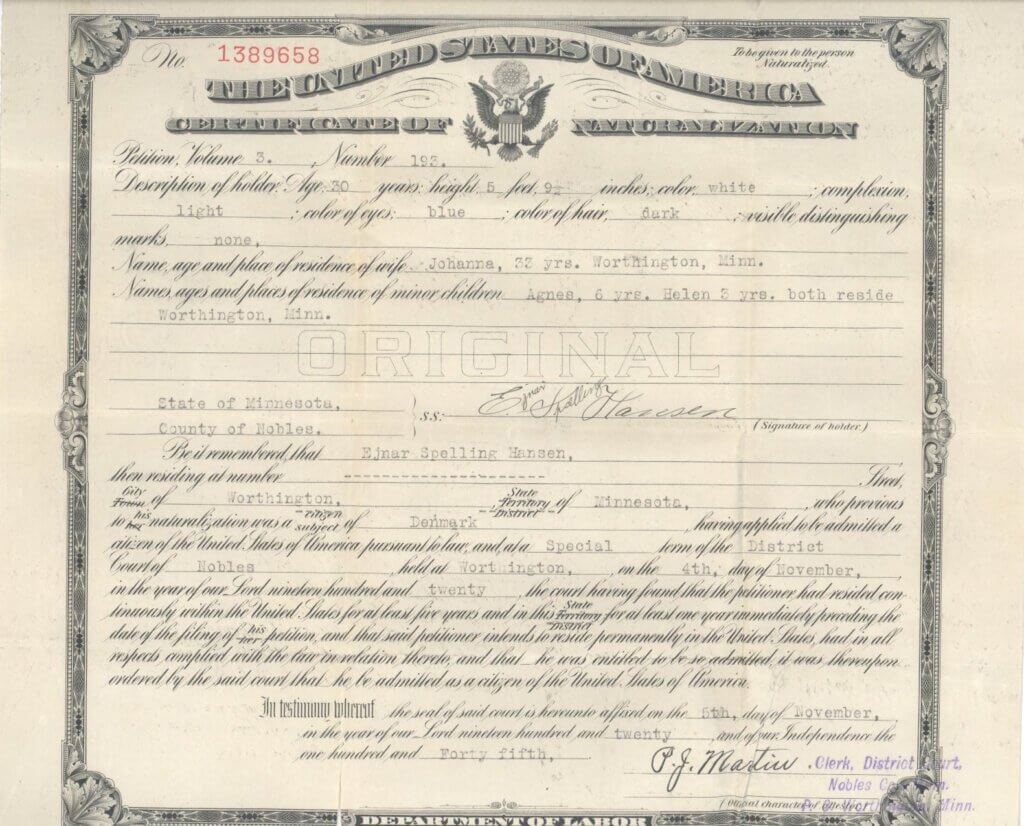
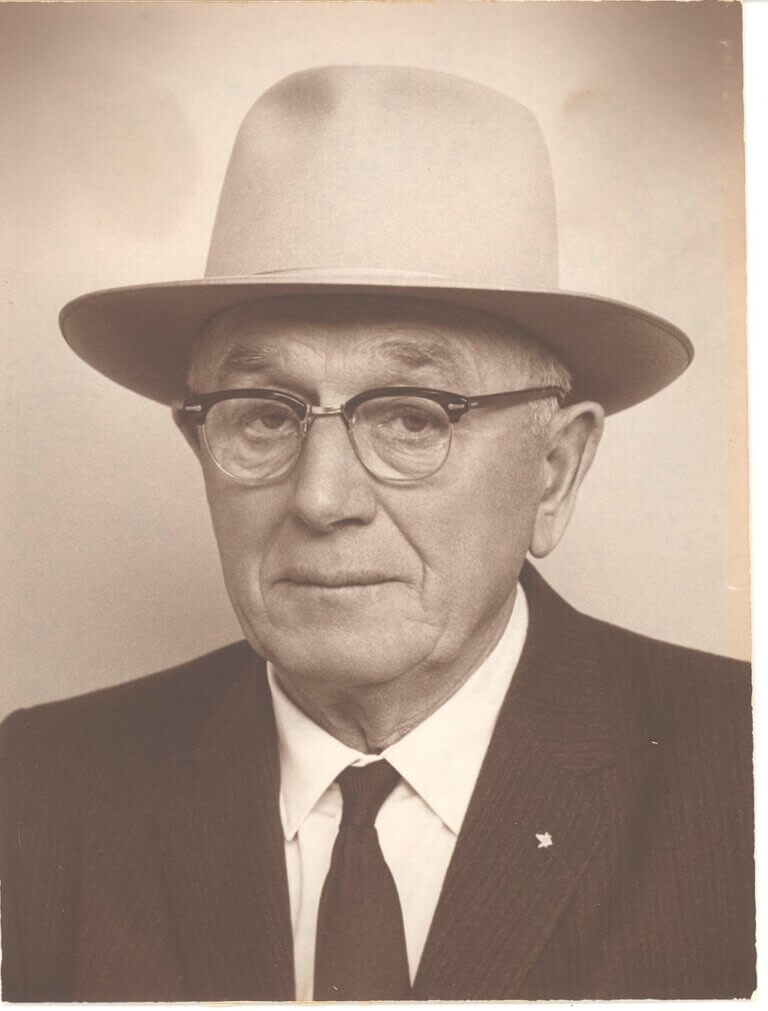
Ejnar Spelling Hansen was born in Denmark on April 20, 1890. He immigrated to the U.S. and worked on various farms managing, overseeing, renting, and finally owning his own 80 acre dairy farm. Half of the farm was dedicated to corn and oats, while the other half served as pasture for dairy cows. On this farm, located about half a mile from Worthington, Minnesota, Ejnar also raised hogs and chickens. He was well known for his livestock breeding. On November 4, 1920, Ejnar became a naturalized citizen.
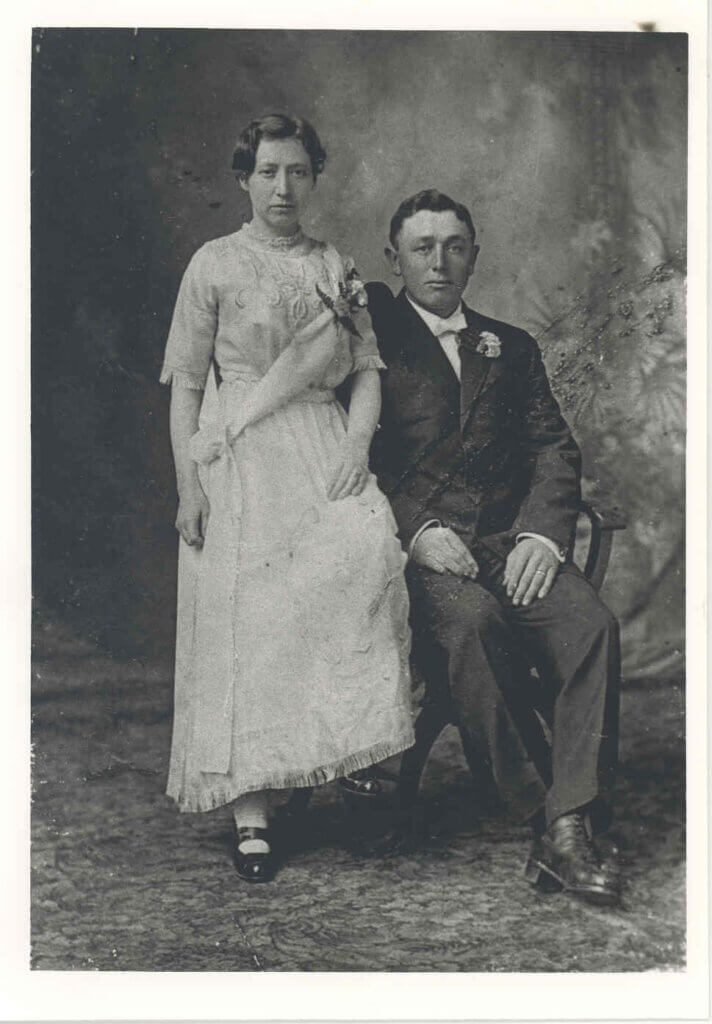
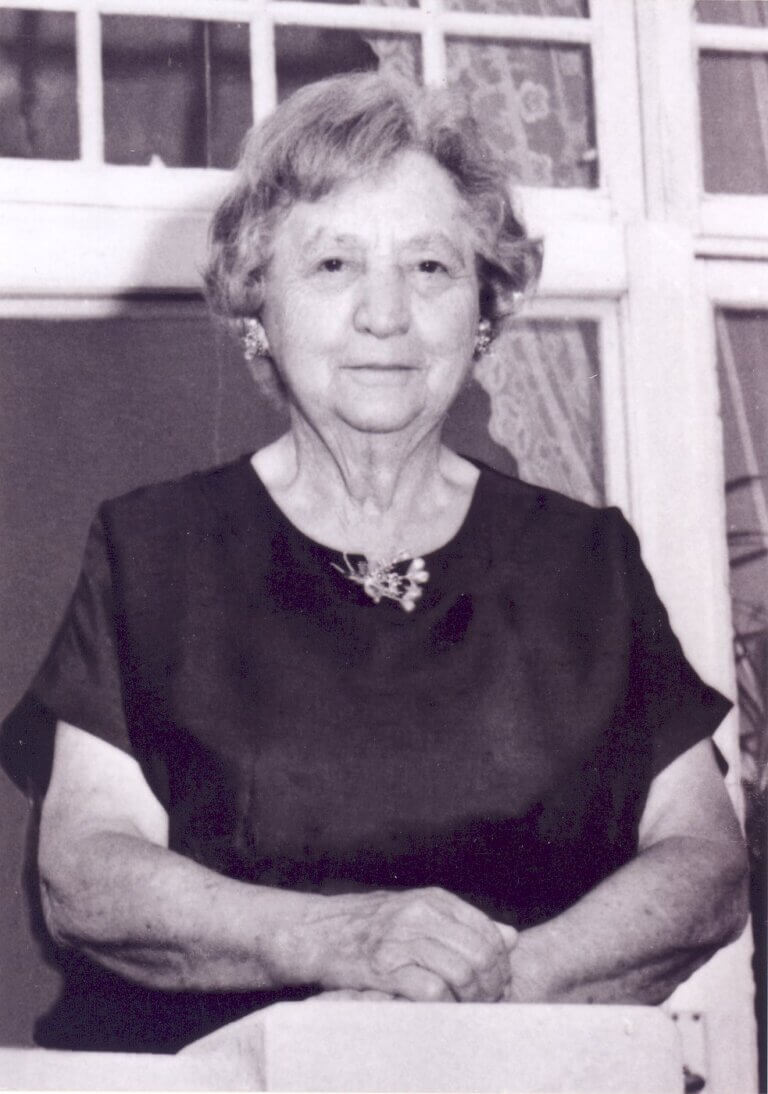
Maren Johanna Helberg was born on December 27, 1885, near Herning, Denmark. When she was 19, she joined the Salvation Army and completed a year of training as a nurse. She immigrated to the U.S. in 1910 and worked as a domestic for a family friend in Worthington, Minnesota. She held various jobs in Sioux City, IA, and Minneapolis, MN. She returned to Worthington, where she met Ejnar. They married on March 21, 1913, and together they had five children: Agnes, Helen, Doris, Vera, and Robert.
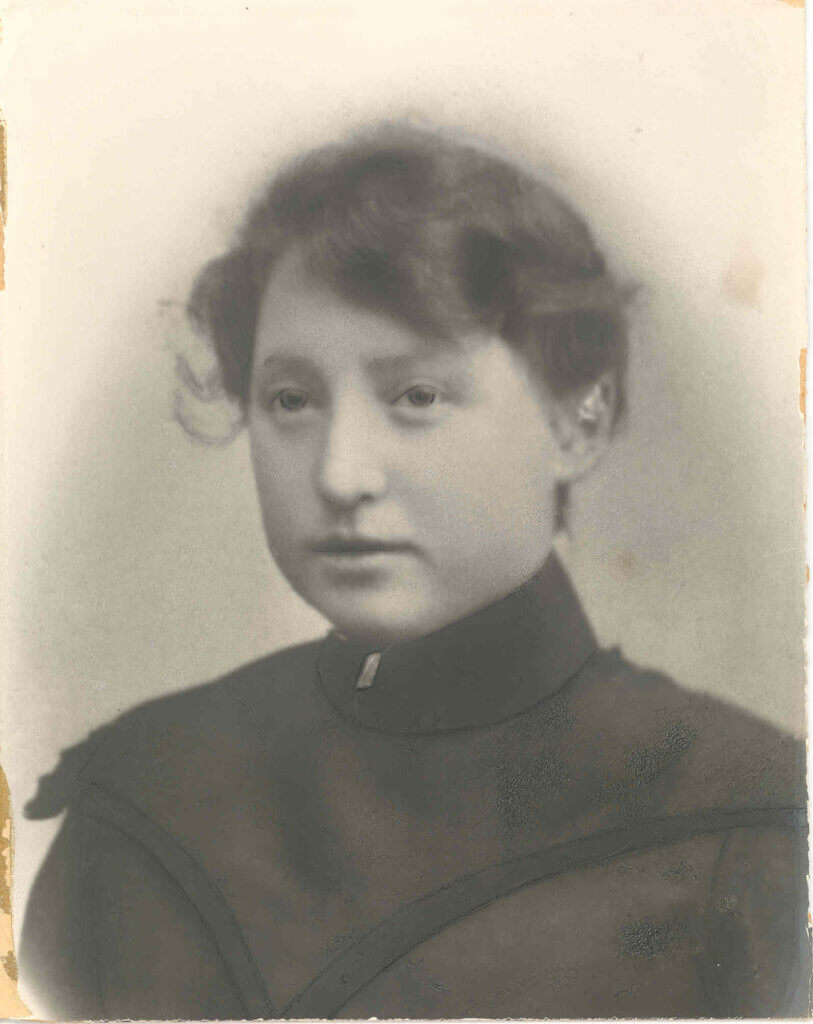
 Maren Johanne Heiberg’s confirmation photo. 2002.124.008.
 Certificate of Naturalization for Ejnar S. Hansen. 2007.013.007.
 Ejnar & Maren’s wedding portrait. 2002.124.012.
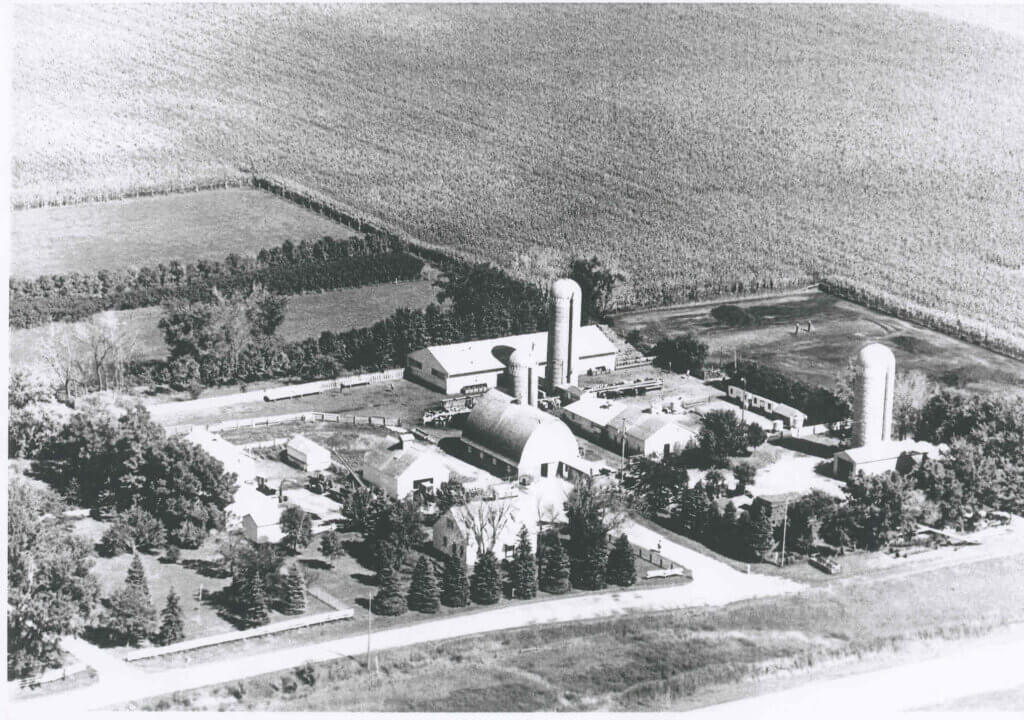
 The Hansen’s farm in Worthington, MN. The farm, including three silos, one barn, and numerous other large buildings was built in 1941-1942. 2002.124.011.
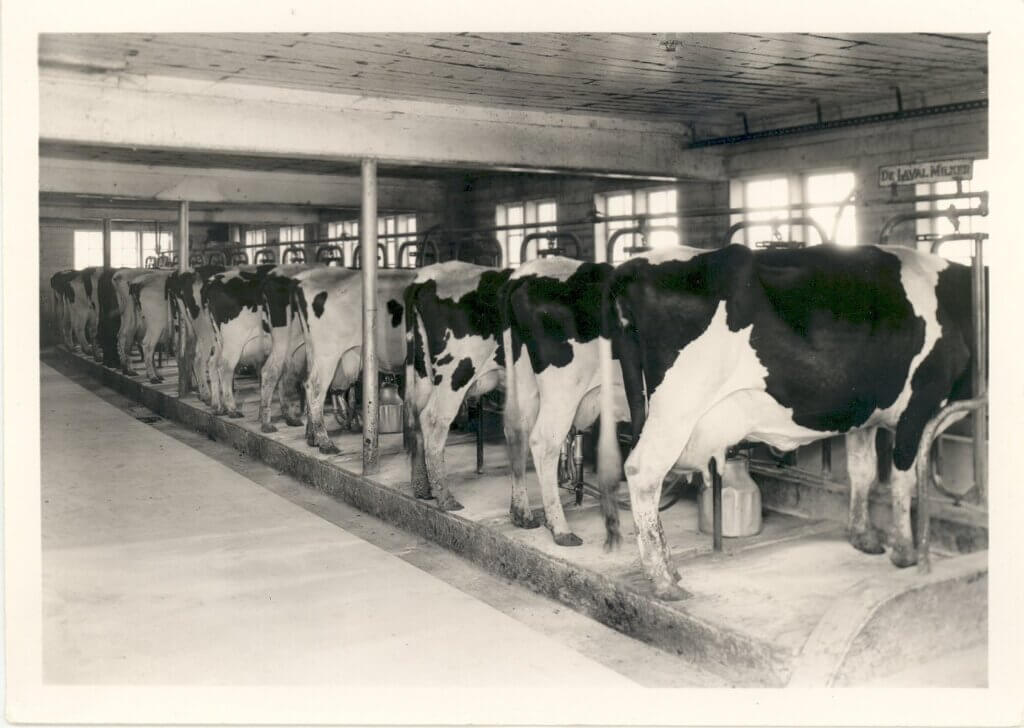
 Several of the Hansen family’s dairy cows in 1935. 2005.027.016.
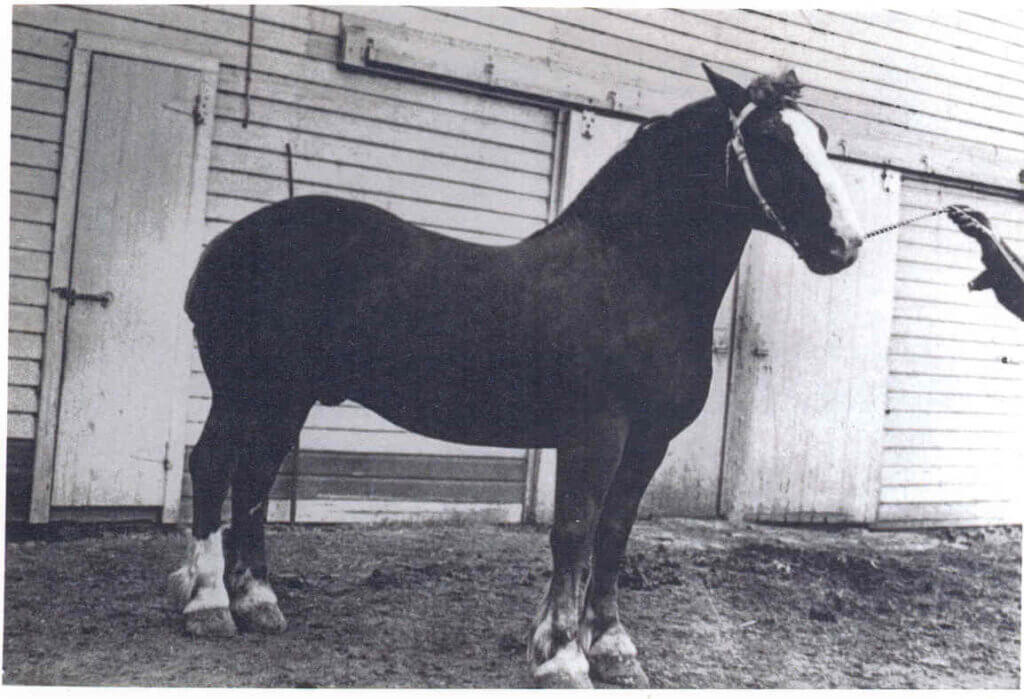
 A yearling Belgian stallion. 2002.124.038.
Hansen Family Involvement in 4-H & Fairs
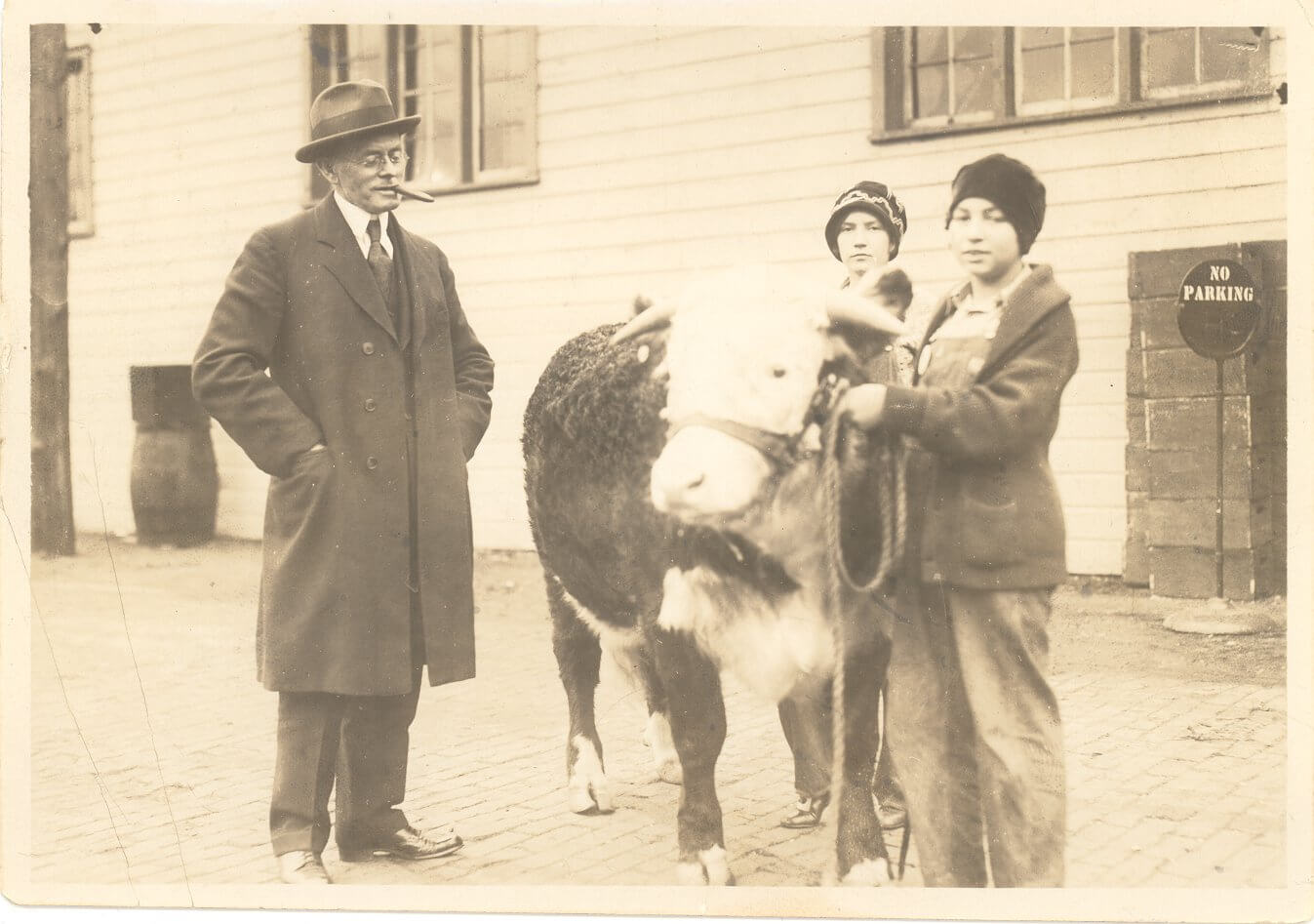
The Ejnar S. Hansen family were active participants in local, county, and state fairs, with the children involved in 4-H and exhibiting livestock bred by their father. In 1930, at just 13 years old, Helen Hansen-Marr—the second child of Ejnar and Maren Hansen—earned four stock prizes at the Junior Livestock Show in South St. Paul. She took top honors in baby beef showmanship, the open class for calves, and the grade Hereford class, with her calf also being named reserve champion Hereford of the show. That same calf was later sold to the Dayton Company for 30 cents a pound. Helen attributed her success in the show ring to the animals’ good breeding.

Although these achievements are the only detailed stories we have of the Hansen family’s experiences at the fair, Helen’s siblings also participated in 4-H, carrying on the same traditions of livestock care, project work, and community engagement. Evidence of the family’s broader participation can be found in our collection, which includes a number of ribbons awarded to the Hansens. These ribbons serve as lasting reminders of the family’s dedication to 4-H and their active role in fairs.
The Hansen family’s story highlights the significant impact Danish immigrants had on American agriculture. From advancing dairying techniques and livestock breeding to shaping everyday farming practices, families like the Hansens brought knowledge, skill, and innovation that left a lasting mark on their communities and the broader agricultural industry. Their contributions reflect hard work and the values and traditions they carried from Denmark, influencing generations of farmers and 4-H members alike.
Far More than a Fair
The story of the Hansen family reminds us that the Minnesota State Fair is more than a place for entertainment—it is a stage where generations of young people have carried forward traditions of agriculture, hard work, and innovation. Families like the Hansens not only showcased their livestock but also instilled in their children the values of responsibility, perseverance, and pride in their heritage. As the fair opens once again, it continues to honor that legacy by providing 4-H members with the opportunity to share their achievements, celebrate their growth, and inspire the next generation of learners and leaders.
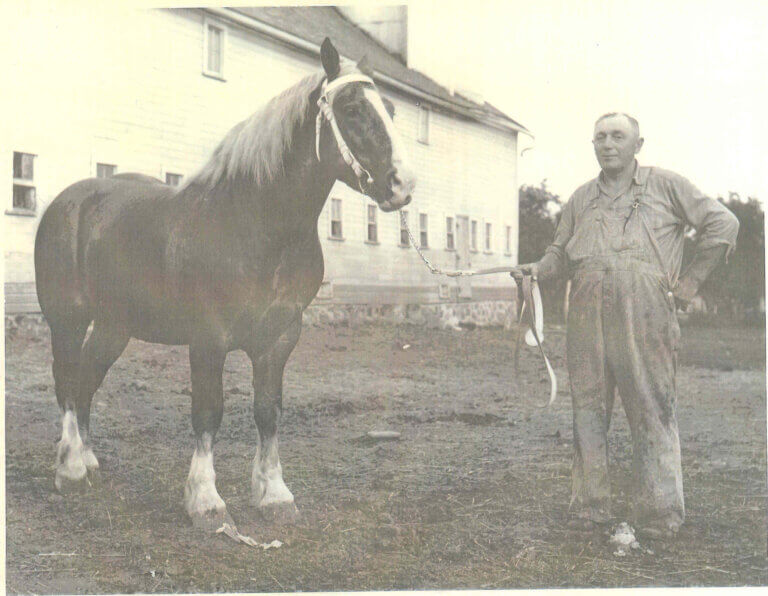
 Ejnar S. Hansen holding the lead rope of a young Belgian stallion. 2002.124.031.
 Maren Hansen pictured at 83. 2005.027.012.
 Ejnar S. Hansen. 2005.027.013.
The artifacts featured in this blog post were donated by Helen Hansen Marr in memory of Ejnar S. and Maren Johanna Helberg Hansen.