Danish-American Culture
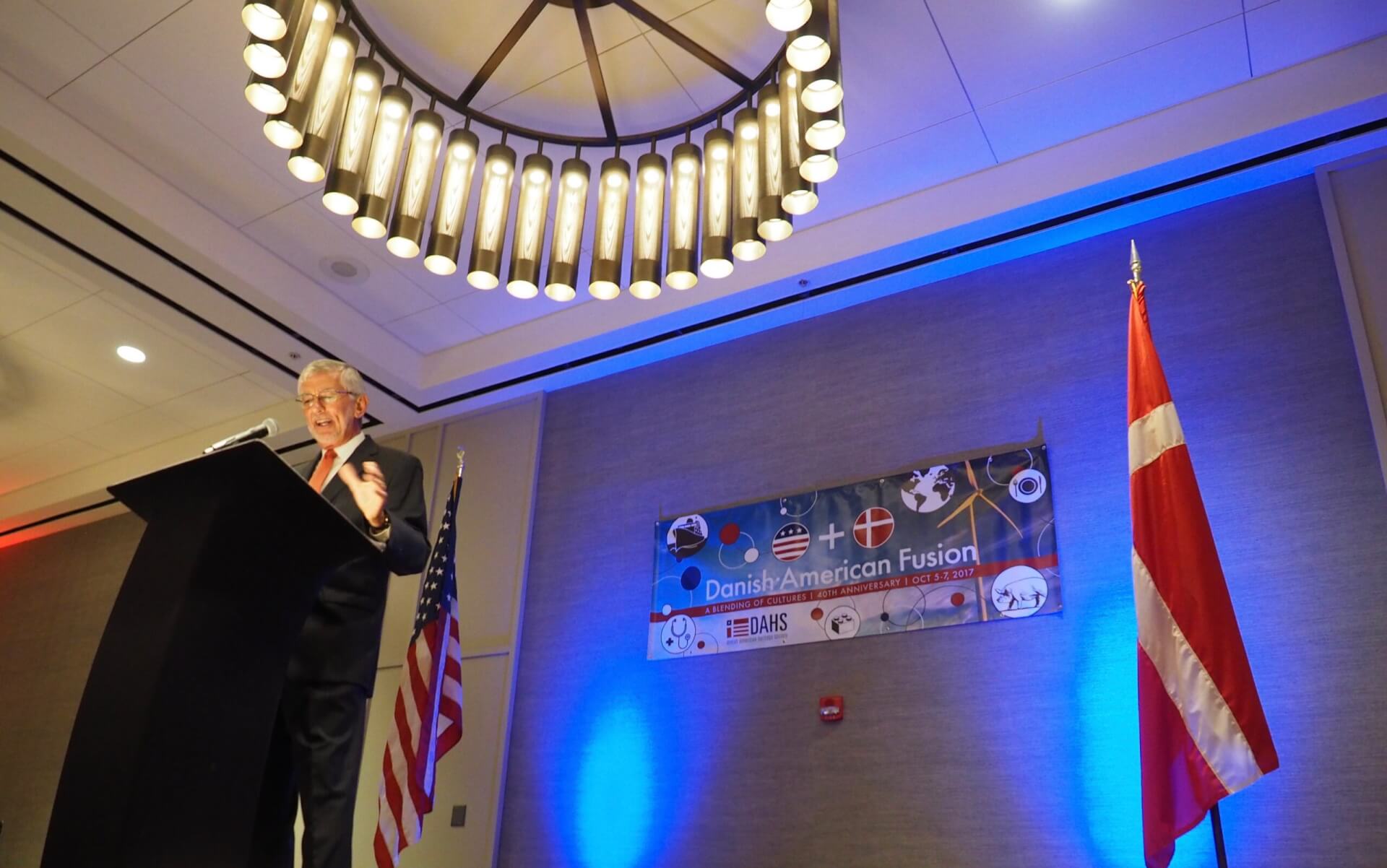
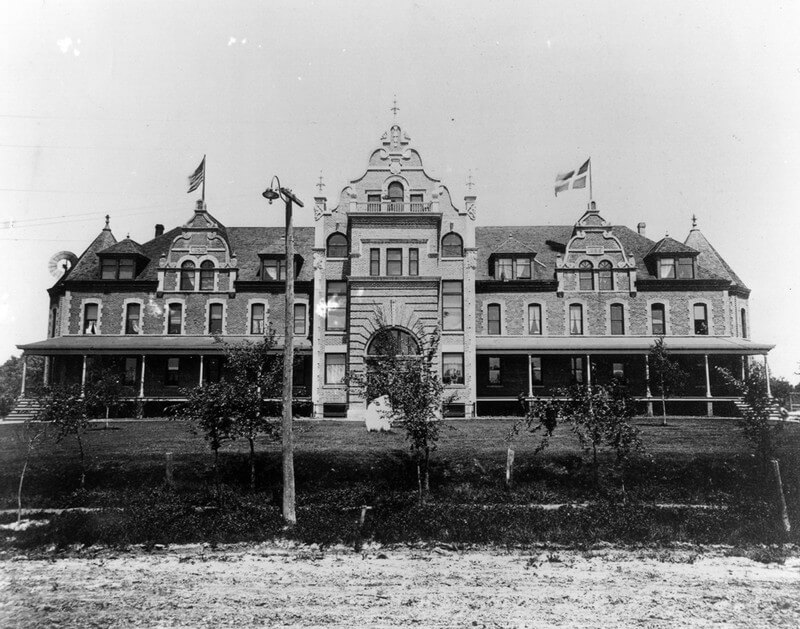
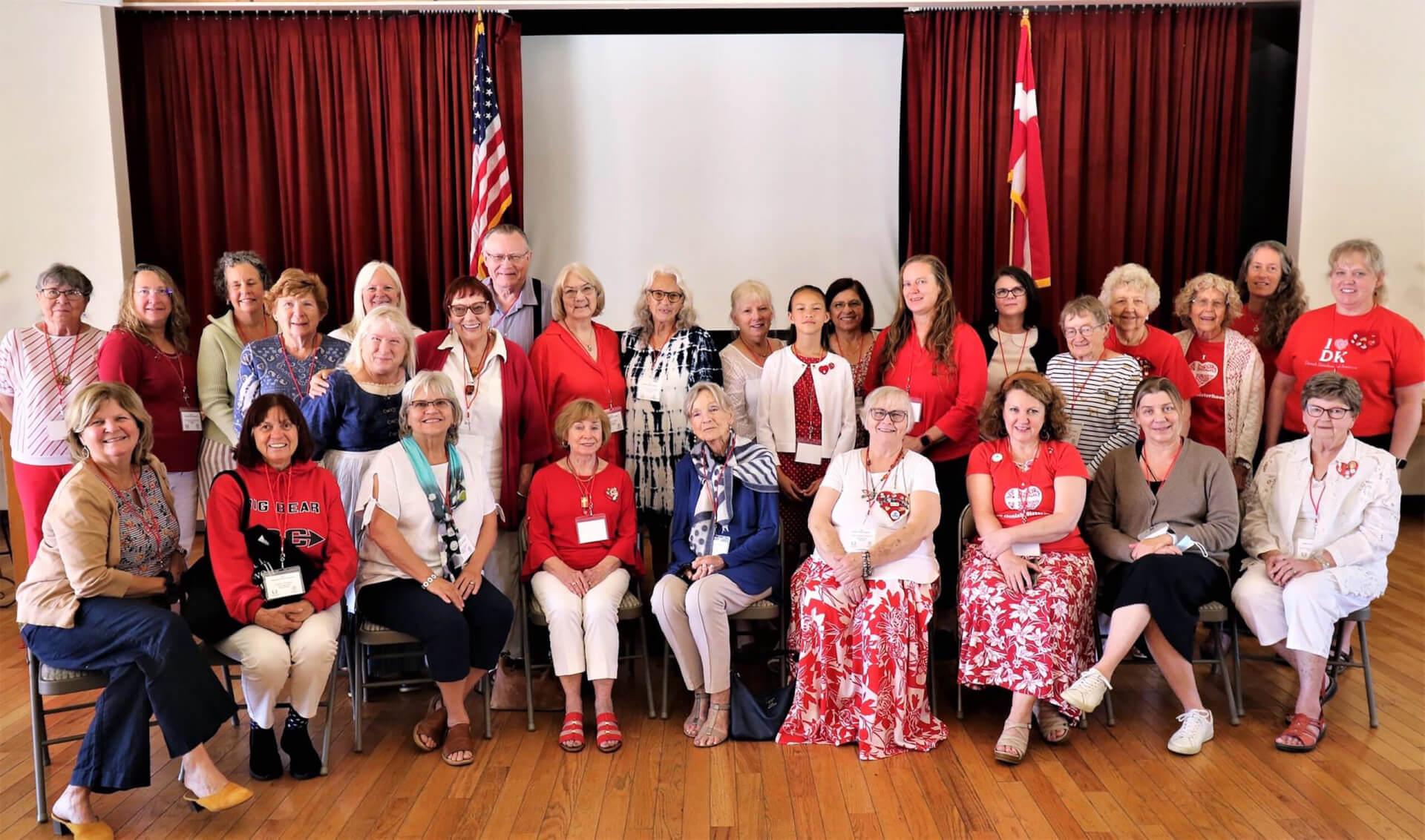
Since the 1700s, Danes have been immigrating to the US and establishing communities around their shared heritage. Whether in cities or in the countryside, Danish-American communities have been vibrant hubs of a unique ethnic identity.
Between 1870 and 1930, over 300,000 Danes left Denmark to pursue the opportunities and freedoms promised by the United States. While some moved to escape religious persecution, many more sought opportunity and land.
In the Upper Midwest, many became involved with farming and dairying. In addition, many Danish Americans joined the US Armed Forces in World War One and Two, building a connection to the country through military service.
Danish Americans had an active debate regarding how “American” they should become. Based in Blair, NE, the “Holy Danes” believed in strict self-discipline and personal faith. They also discouraged the use of the Danish language and traditional folk dances in favor of total assimilation to American cultural norms. In contrast, the “Happy Danes,” based in Des Moines, IA, favored community, singing, and dancing. They also advocated for the preservation of Danish culture alongside American citizenship.
1.5 million Americans now claim Danish ancestry, with the largest populations in California, Illinois, and Iowa.
From the Blog
-
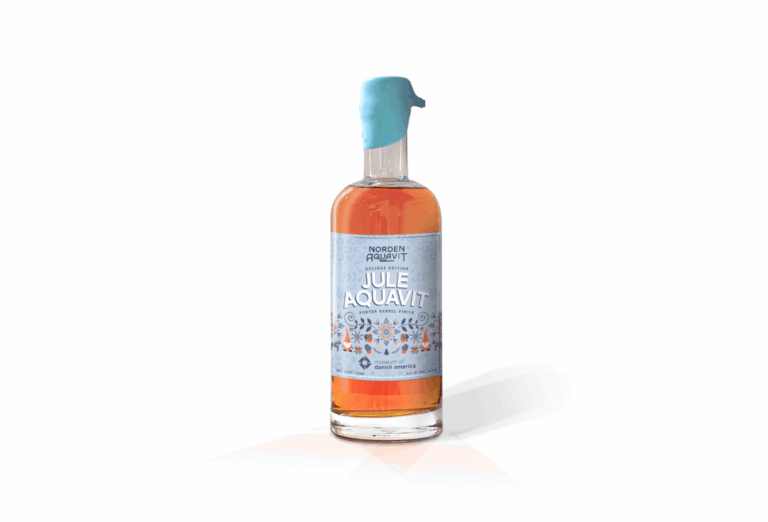
‘Tis the Season for Snaps
“I’m in Denmark with all of my family and brought a couple of bottles of Jule Aquavit. We think that this, by far, is the best snaps we have ever had.” – Peder Hansen, former MoDA board member Aquavit, a spirit traditionally flavored with caraway and a blend of herbs and spices, holds a cherished… -
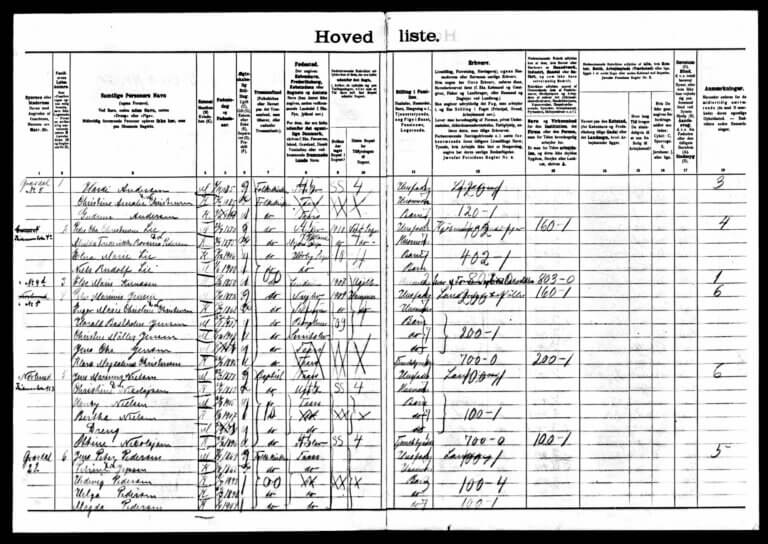
Navigating Danish Genealogy – Census Records
What can we learn from census records? Census records are one of several primary sources used in genealogy research. In the United States, the Constitution mandates that a national census occurs every 10 years. The first federal census occurred in 1790, and the most recent in 2020. Data from the 1890 census is mostly non-existent… -
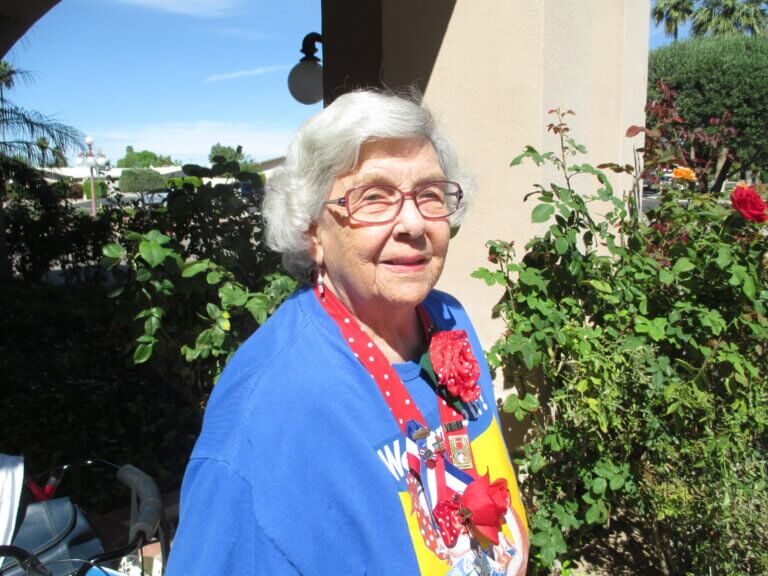
The Gift of 100 Years: Corinne Kellar’s Journey through a Century
My name is Corinne Eagen Kellar. I was born on September 1, 1925, on a farm in South Central Iowa. The area was settled largely by Danish immigrants, and my mother was a first-generation Dane. From her, I inherited Danish customs and traditions. From my father, a third-generation Irishman, came the spirit of Ireland. Together,…
Preserving Danish America
The Museum of Danish America is not the only organization preserving Danish heritage in the US.
Use these links to check out some of our partner organizations!