
The Gift of 100 Years: Corinne Kellar’s Journey through a Century
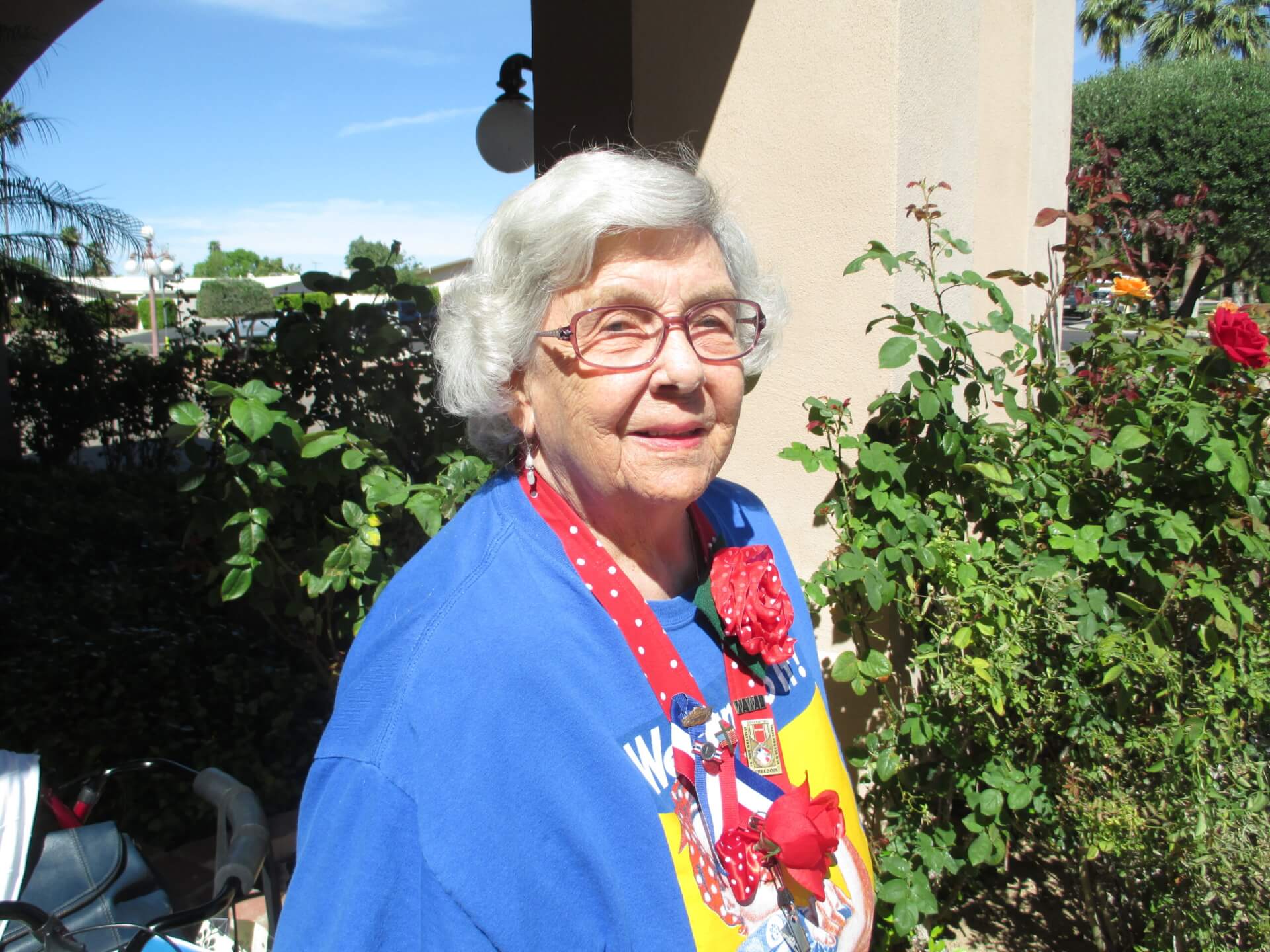
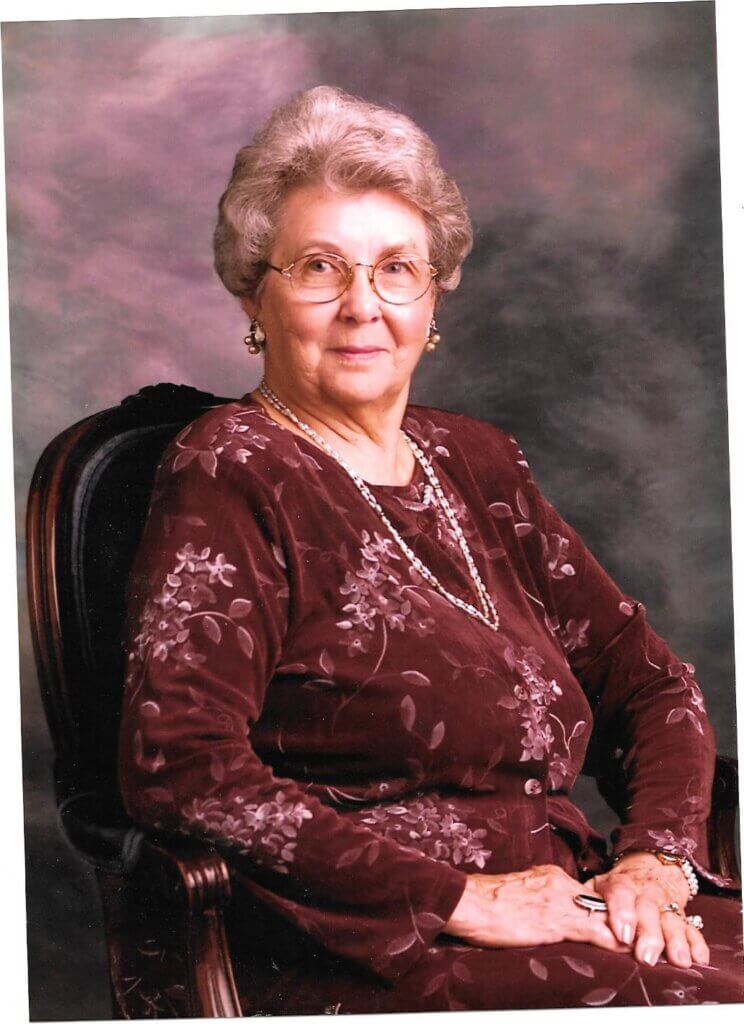
My name is Corinne Eagen Kellar. I was born on September 1, 1925, on a farm in South Central Iowa. The area was settled largely by Danish immigrants, and my mother was a first-generation Dane. From her, I inherited Danish customs and traditions. From my father, a third-generation Irishman, came the spirit of Ireland. Together, they gave me a childhood woven from two rich cultures.
Early Childhood: Joy and Sorrow
On September 1, 1930, my fifth birthday coincided with my very first day of school. What should have been a joyous day turned tragic—my seven-year-old cousin had died of a ruptured appendix and was buried on my birthday. At just five years old, I learned the deep sorrow of loss.
The Great Depression and the Dust Bowl
The 1930s brought even more challenges. Drought and dust storms swept across Iowa, and like so many others, our family struggled to survive. My father hauled water in 50-gallon barrels from his brother’s farm, but even then, we had to sell livestock because there wasn’t enough feed.
I had my share of chores: herding cattle, gathering eggs, filling oil lamps for light, and picking up corn cobs after school so we could start fires in the morning. We even burned corn in our stove for fuel.
Food came from what we grew and preserved. My mother and I canned vegetables and fruit, and we slaughtered animals for meat. We wore hand-me-down clothes, and my grandmother repurposed adult garments to fit us children.
Country School Days
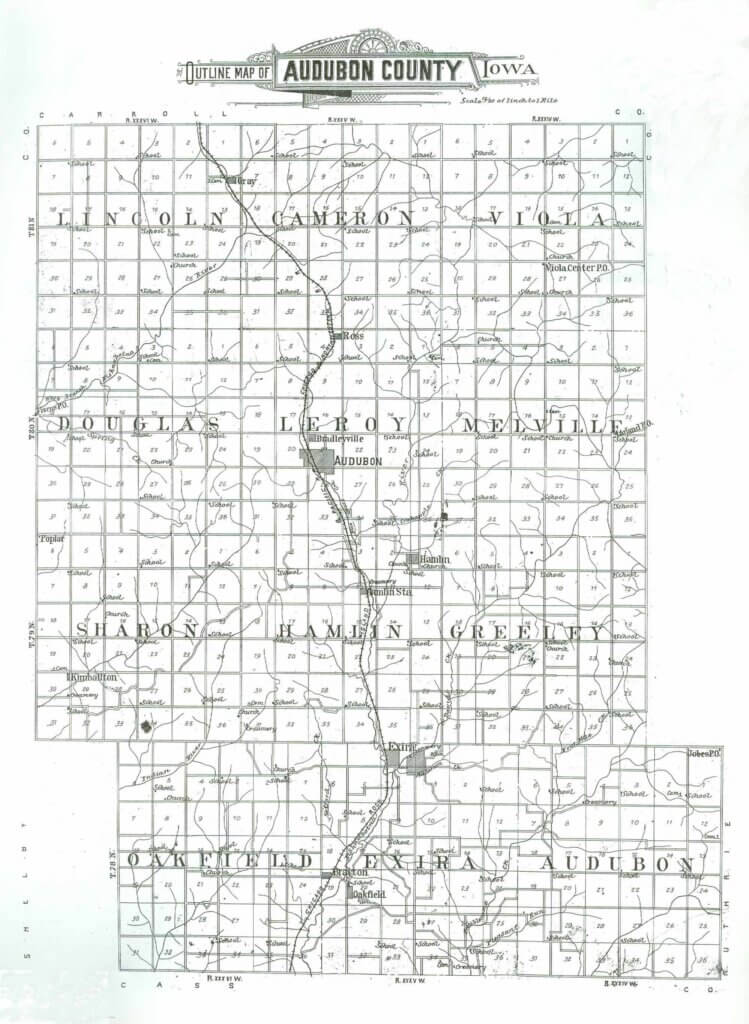
I attended Melville #8, a one-room country school. I was the only girl in attendance. Each morning, two students were chosen to fetch a bucket of water from a neighbor’s farmhouse—the only water we had all day. Everyone drank from the same dipper, and the leftover was poured into a basin for handwashing.
The school had no running water, no electricity, and no telephone. A single large stove heated the room with coal and corn cobs, and the teacher was responsible for lighting the fire each morning.
In winter, I cut across pastures to shorten my walk. My father trained me to grab onto a fence line if a blizzard came suddenly, moving hand over hand until I reached safety. When snowflakes started falling, he often set out to meet me.
Hard Lessons in Survival
Life in rural Iowa was never without danger. One day while helping search for a missing neighbor child, I stepped out of my shoe and onto a snake. It bit me on the arch of my foot. A neighbor carried me to a doctor ten miles away, who cut into the wound where the fangs had pierced. I returned home on crutches.
Faith and Sacrifice
Even in hardship, my family valued education and faith. My parents sacrificed what little they had so my siblings, cousins, and I could attend Bible School in town. Bread cost ten cents a loaf, and we all shared meals from the food my parents brought in.
The Depression forced many families to leave their farms. My Irish grandfather had given each of his sons farmland, but drought and poor prices claimed most of it. My father also lost his farm, and in March 1936, we moved to town.
Working Through Adolescence
After moving, life changed. I worked cleaning homes for a dollar a day and stayed overnight with an elderly lady for fifty cents a week. My father earned $11 for a six-day work week at a produce store. Every penny mattered.
In 1939, Danish relatives visited and warned us that war was coming. By September, Germany had invaded Poland. After Pearl Harbor, every young man I knew prepared to serve. My own relatives all went to war. On the home front, we collected scrap metal, rationed food and gas, and used stamps for shoes, sugar, and tires. I still have one of my ration books.
Joining the War Effort
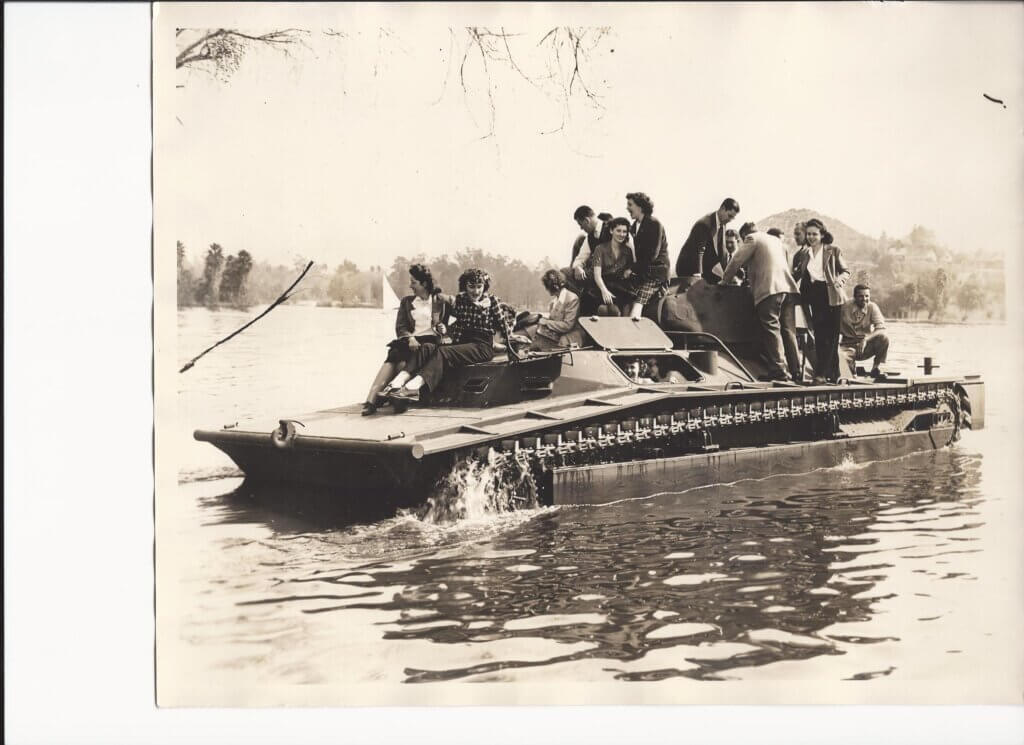
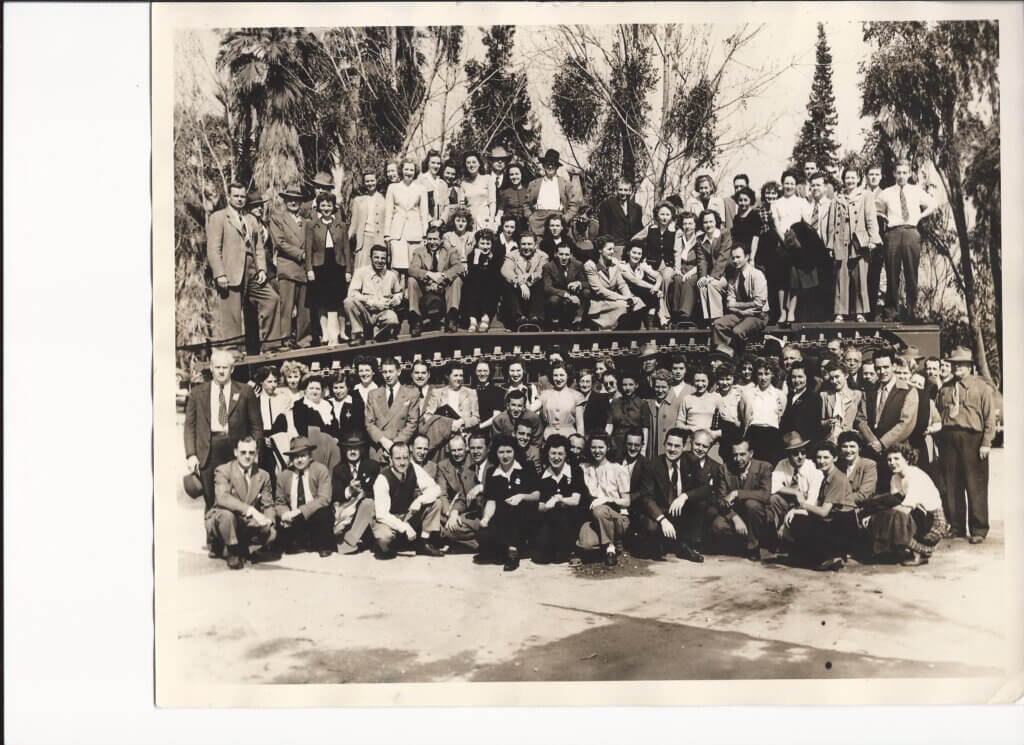
After graduating high school, I worked in Iowa until I visited a cousin in Los Angeles. She encouraged me to move there and work in an airplane factory. Soon, I passed my exams and became a secretary at Food Machinery Corp. in Pasadena, where I ordered parts for amphibious tanks. Our plant made the “boggie” wheels that carried tanks ashore. I belonged to the legendary group called Rosie the Riveters.
In April 1945, I was walking down a street when a shoe repairman rushed to tell me President Roosevelt had died. That August, the war ended. War plants shut down, soldiers returned home, and America began to rebuild.
A New Chapter
I married my Marine Corps boyfriend, and together we raised three children in Minneapolis, Minnesota. Later, I worked as a librarian at Macalester College in St. Paul, where I eventually retired.
My pride in my Danish heritage led me to join The Danish Immigrant Museum when I first heard of its creation in Elk Horn, Iowa. I’ve continued my membership and support of the Museum of Danish America ever since, helping to celebrate and preserve this heritage for generations to come.
On April 10, 2024, in Washington, D.C., the Rosie the Riveters of WWII—including those of us who served in factories like mine—were collectively and symbolically awarded the U.S. Congressional Gold Medal.
Looking Back
From the Dust Bowl and Depression, to the war years and beyond, my life has been shaped by resilience, family, and faith. Born in a farmhouse in Iowa, I lived through hardships that taught me strength—and joys that reminded me of hope.