
The Story of Danish Christmas Plates

The Museum of Danish America has a complete collection of Christmas plates – small, porcelain plates issued every year by Royal Copenhagen and Bing & Grøndahl.* They are, one of the most famous identifiers of Danish identity in the United States and are collected by hundreds of thousands of people worldwide.
These plates are also fairly unique! Other than Royal Copenhagen and B&G, no other studios have continued to make Christmas plates. This isn’t due to a lack of effort – my own family owns a Christmas plate made by Royal Vienna Porcelain – but due to lack of demand. Nowhere is have culture and craft combined to preserve this tradition, and that makes it very interesting to our museum.
Over the years, Christmas plates have developed their own mythology. As the story goes, back in the Middle Ages nobles gave a platter of fruits to their servants every Christmas. The platter was originally plain wood, but over the years it became more and more decorated, until the platter was a more important gift than the fruit! At some point, it switched from wood to porcelain, and so the Christmas plate was born.
It’s a nice story, but it is, perhaps unsurprisingly, just a story. The true history of these plates begins in 1895, when an artist named Frans Hallin was hired by Bing & Grøndahl. Hallin had previously worked for B&G’s rival, Royal Copenhagen, and had spent several years experimenting with a way to mass-produce plates.
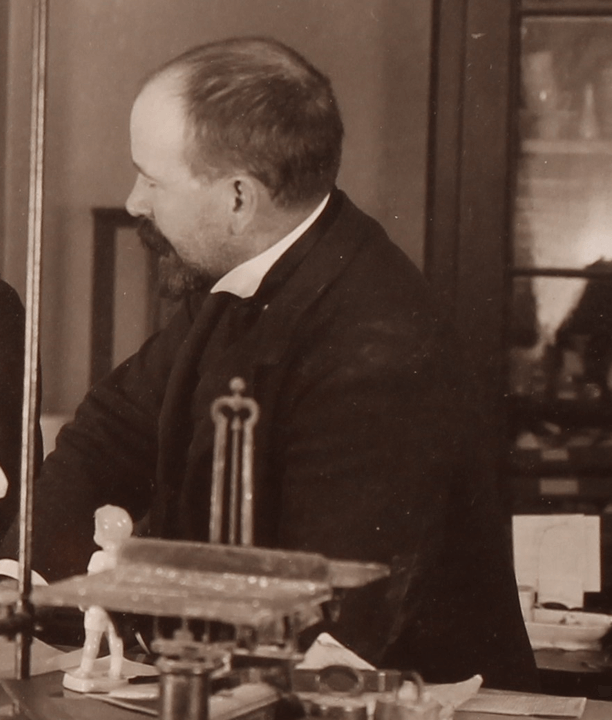
Hallin had already solved the technological problems, carving the design into the mold to create a perfectly consistent design. However, he was frustrated by Royal Copenhagen’s refusal to let him put it to the test. Harald Bing originally resisted as well, but eventually realized that it would work well for the company’s Christmas season. The first run proved to be an enormous success, and became an annual tradition.

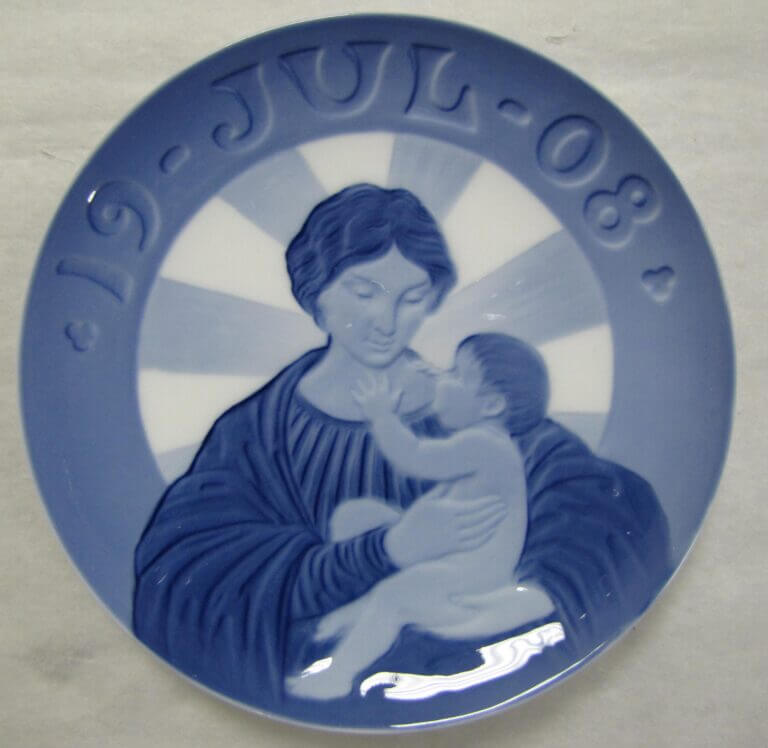
Since 1895, Danish studios have made plates every single Christmas, and for every other occasion imaginable. There are Christmas plates, Mother’s Day plates, anniversary plates, coronation plates, tourism plates, plates made on commission, and so on. It’s a veritable hoard of tiny plates!
Other than dedicated collectors, therefore, most people do not try and collect them all. Instead, Danes and Danish-Americans would often purchase plates for the year in which something significant happened. A Christmas plate might be bought for a wedding, the birth of a child, a baptism, or a graduation present. With the extra commemorative value, they become something more than a holiday gift.
Of course, sometimes you’d also get a design you liked simply because it is beautiful! The two designs issued each year provide lot of variation, and many families mixed and matched based on personal taste.
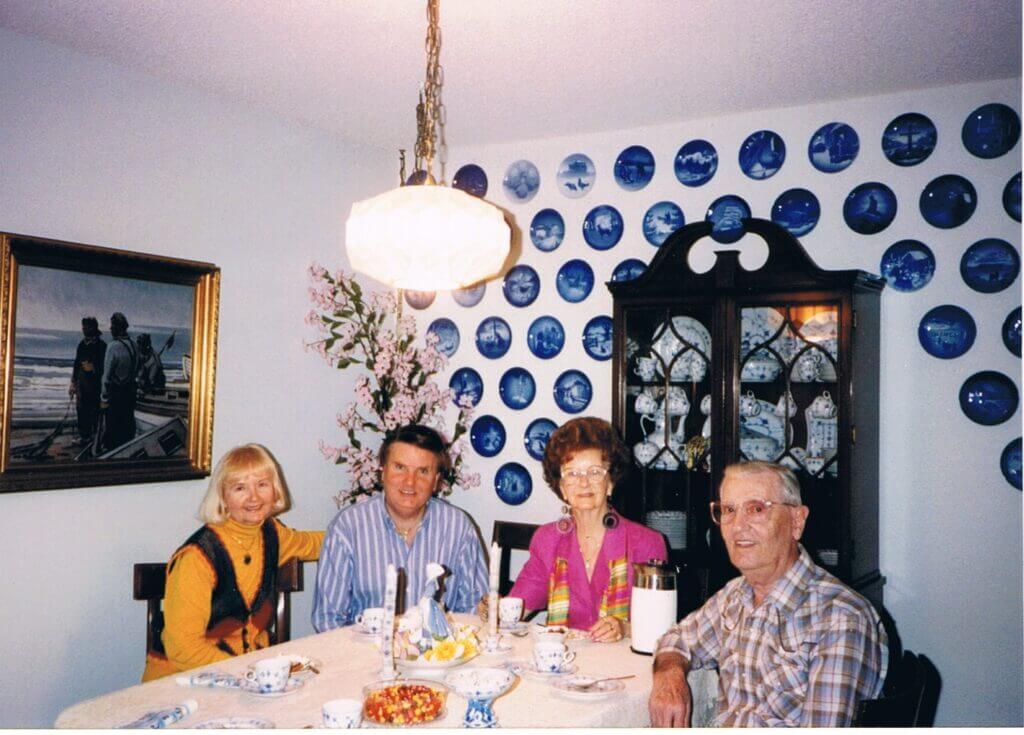
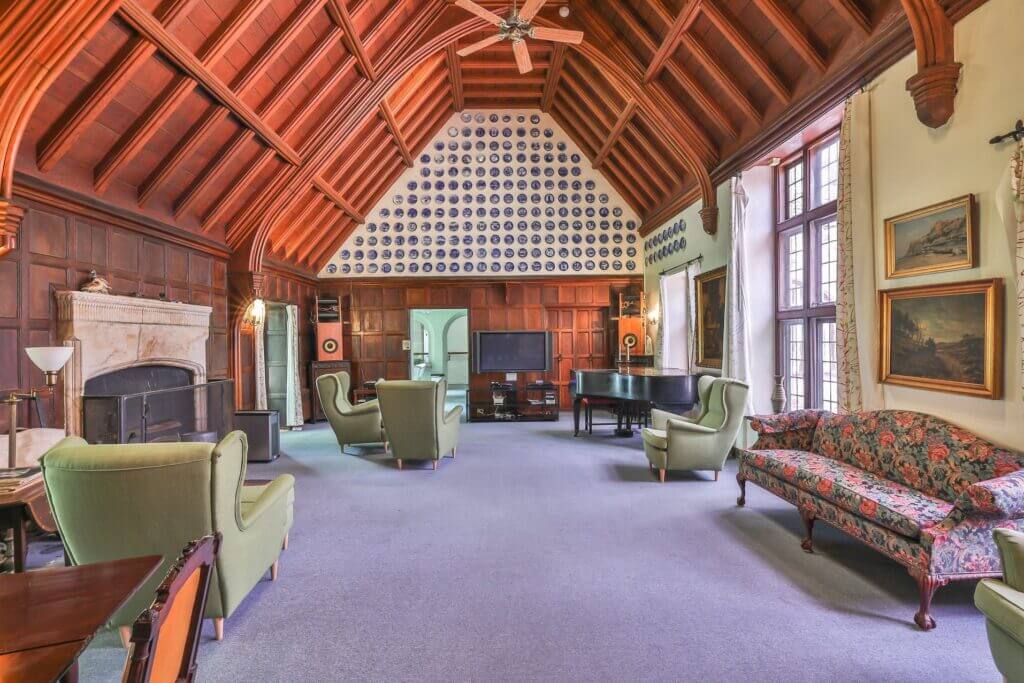
Regardless of reason, these plates would then be hung on the wall of a house. A large collection might have dozens of plates, covering a wall in blue and white. In addition to being quite striking, it serves as place for the family to gather, remember their history, and create new memories.
*Bing & Grøndahl no longer exists. The studio merged with Royal Copenhagen in 1984, but the B&G brand is still used specifically on this line of Christmas plates.