Danish Culture
Denmark: The happiest country in the world
In 2024, Denmark ranked as the second happiest country in the world! Many factors contribute to Danes’ happiness:
Trust
Danes trust each other, and that makes life a bit easier!
Security
Denmark has free health care and free education, which reduces uncertainty and fears among its population. This is particularly important for those who are less well off: they are happier in Denmark than in other prosperous countries.
Wages are high in Denmark, which helps make people happy. But it’s not just the amount of money; what we use our wealth for is also crucial for happiness.
Danes value open-mindedness, progressiveness, and the freedom to be who they are. Denmark was the first nation in the world to legalize same-sex civil unions in 1989. In 2012, it became legal for same-sex couples to get married in Danish state churches. Gender equality is also particularly highly valued in the workplace.
Work isn’t just to earn money; it promotes social relations, identity, and meaning! Danish workplaces tend to have high autonomy and job quality – which also contributes to Danish happiness.
Denmark has a well-developed democracy with a high level of political participation, good governance, and a low level of corruption. Additionally, many Danes perform volunteer work regularly, which promotes social cohesion.
The Danes have time for family and leisure alongside their careers, and they enjoy a large degree of flexibility in the workplace. The ability to balance work and family life is essential for happiness.
Danish History: A Timeline
From the Blog
-

‘Tis the Season for Snaps
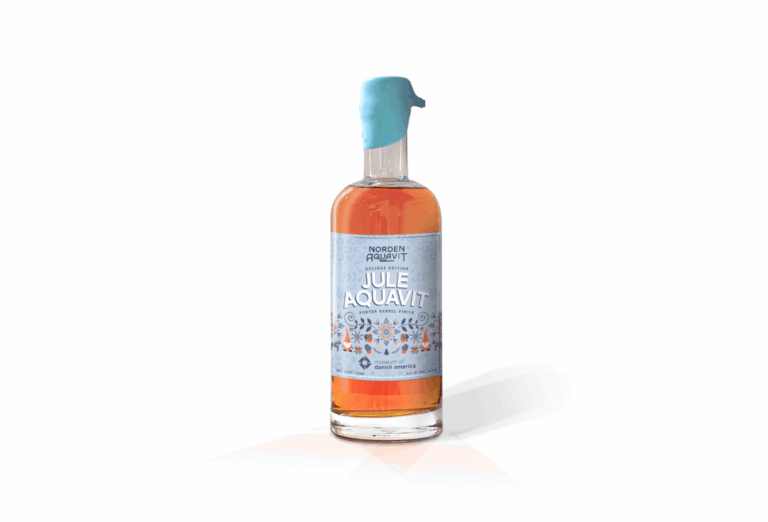
“I’m in Denmark with all of my family and brought a couple of bottles of Jule Aquavit. We think that this, by far, is the best snaps we have ever had.” – Peder Hansen, former MoDA board member Aquavit, a spirit traditionally flavored with caraway and a blend of herbs and spices, holds a cherished… -

Navigating Danish Genealogy – The Schleswig Question
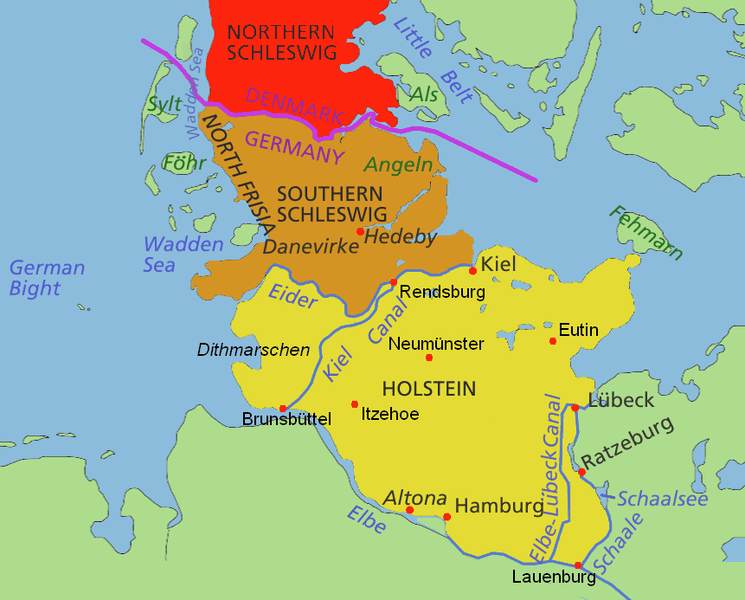
One question I often get asked is “Were my ancestors Danish or German?” This arises from the fact that the area known historically as Schleswig has been claimed at times by both Danish and German political entities. While people today like to categorize and identify our ancestors based on their nationality and/or ethnicity, these do… -

Navigating Danish Genealogy – Census Records
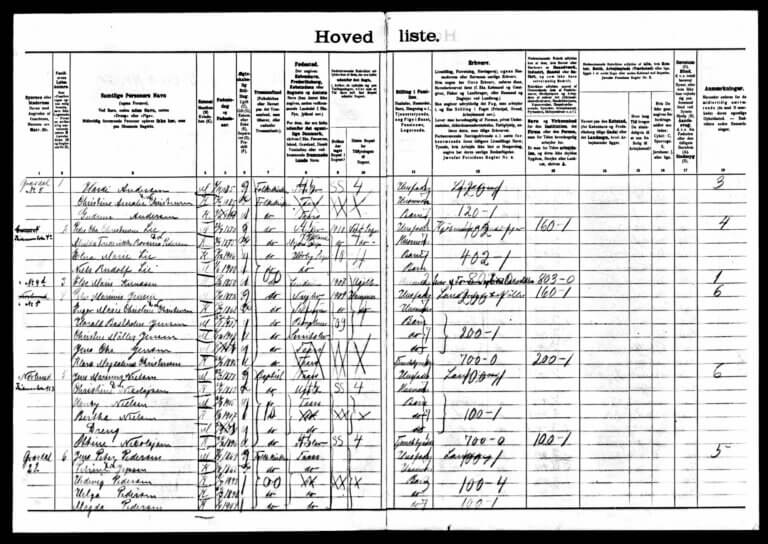
What can we learn from census records? Census records are one of several primary sources used in genealogy research. In the United States, the Constitution mandates that a national census occurs every 10 years. The first federal census occurred in 1790, and the most recent in 2020. Data from the 1890 census is mostly non-existent…